Screen Time
Problematic Internet Use
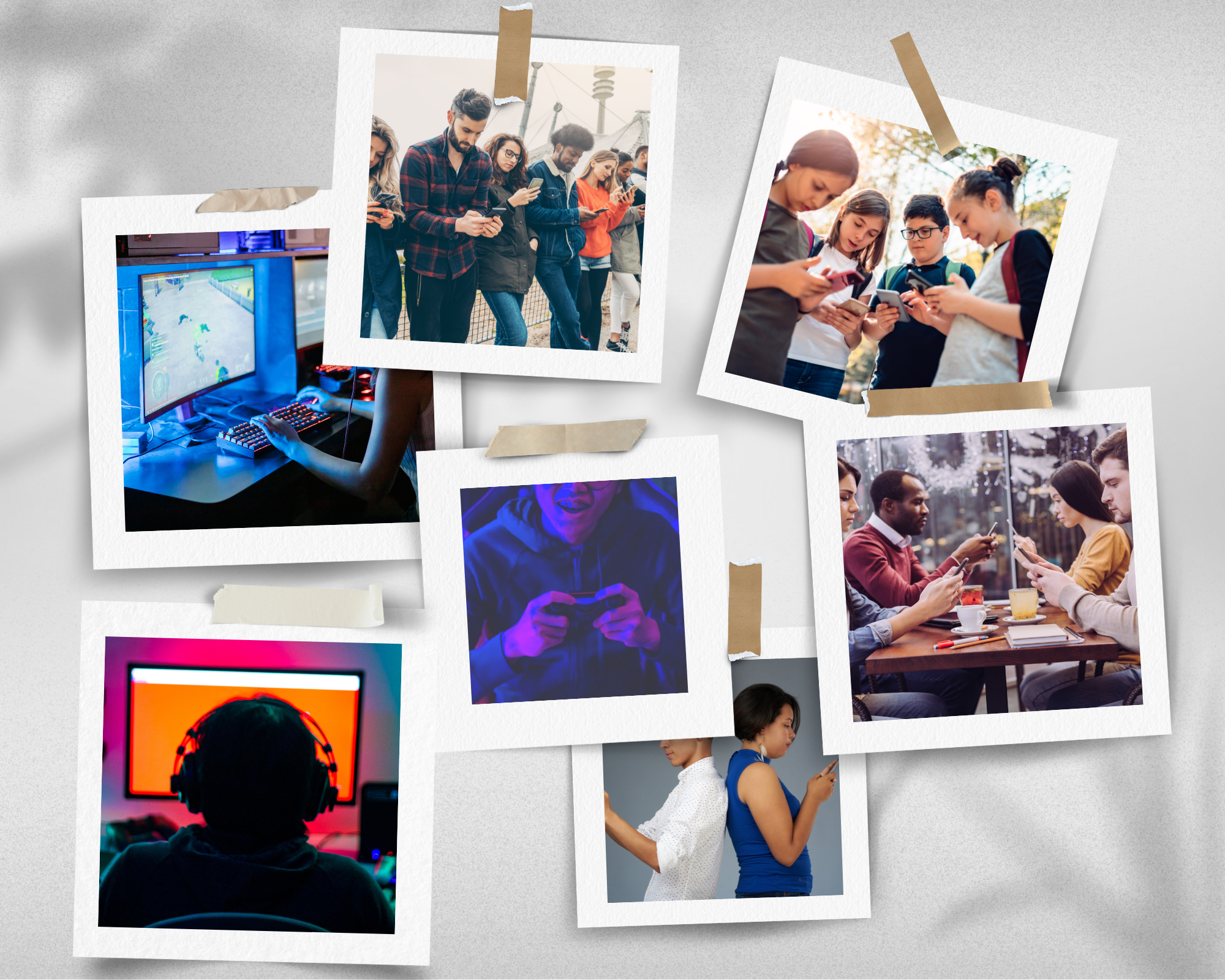
Problematic Internet Use is not simply about how much time is spent on screens.
It is about the impact screen use has on everyday life
…including changes in behaviour, priorities, wellbeing and relationships.
When screen use begins to interfere with learning, sleep, mood or real-world connections, it may be a sign that support is needed.
Read more
Supporting children and young people to develop healthy screen habits can feel overwhelming for families. Devices, apps and games are intentionally designed to capture attention, using features that encourage users to stay online for longer, often making self-regulation difficult, particularly for developing brains.
Over time, researchers and health professionals have explored the impact of excessive or unregulated internet and device use. While terminology has varied across studies, there is growing agreement that problematic patterns of internet use can affect wellbeing, behaviour and family dynamics, particularly when balance is lost.
The term Problematic Internet Use is increasingly used within academic and clinical research to describe patterns of screen and internet use that interfere with daily functioning. It provides a broader, more practical framework than labels that focus only on a single platform, device or activity.
You may see related terms used in research and media, including:
-
Internet Gaming Disorder
-
Screen or device dependency
-
Internet or gaming addiction
-
Social media overuse or dependency
While these terms differ, they often describe similar underlying challenges, including reduced self-regulation, difficulty disengaging, and increasing reliance on screens to cope with stress, boredom or social connection.
Recognising the need for practical, supportive education in this space, Eyes Open Social Media Safety developed and delivered its first Screen Overuse and Digital Balance Awareness program in 2014. Since then, we have continued to refine our approach in line with evolving research and real-world family experiences.
As part of this ongoing commitment to evidence-informed education, Eyes Open Social Media Safety regularly hosts RMIT University students completing supervised professional placements. These students contribute to research activities that support our education programs, gaining practical experience while working within established research and content frameworks.
How we support families and schools
Our programs are delivered in schools and through private family consultations, and focus on practical, achievable strategies rather than restriction or blame. Support may include:
-
Awareness education around healthy screen use and digital balance
-
Identifying early signs of problematic internet use
-
Creating family agreements and realistic technology use plans
-
Supporting gradual and sustainable reduction in screen use where needed
-
Guidance on device settings and controls to support self-regulation
-
Privacy and security education for social media and gaming to protect vulnerable users
Our approach is calm, non-judgemental and focused on helping families and young people build long-term skills to manage screen use confidently and safely.
For more information contact us here.
Family & Individual Consultations
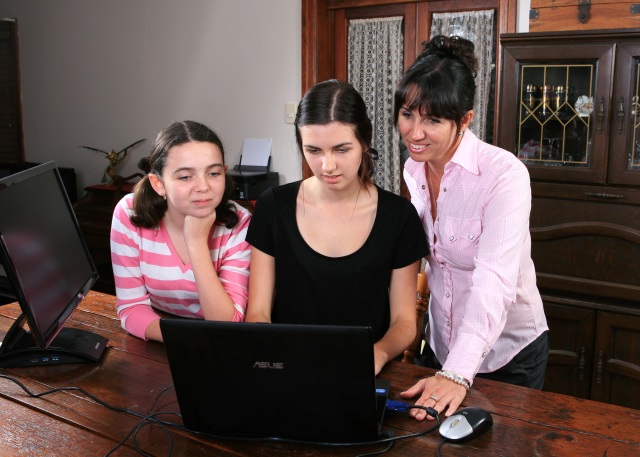
Our private screen use consultations support families to better understand problematic internet use and create practical, achievable plans for healthier digital balance. Consultations include guidance on setting boundaries, using parental controls effectively, and supporting children and young people to develop safer, more sustainable screen habits.

In-School Programs
Problematic Screen Use – Student Program
Eyes Open Social Media Safety delivers evidence-informed student workshops designed to help young people understand how unbalanced screen use can impact wellbeing, learning, relationships and online safety.
These sessions support students to recognise early signs of problematic screen use, understand how digital environments influence behaviour, and develop practical strategies to build healthier, more balanced relationships with technology.
Read more
This program is fully interactive and student-centred, designed to engage young people in meaningful reflection about their screen use in a supportive, non-judgemental way.
Students explore how features built into devices, games and apps are designed to encourage prolonged engagement, and how these hooks and triggers can make self-regulation more challenging. The focus is on awareness and understanding, not blame or restriction.
Through guided activities and interactive surveys, students are supported to reflect on their own screen habits and consider where they currently sit along a spectrum ranging from healthy balance, through overuse, to problematic screen use. This approach helps normalise discussion and encourages honest self-reflection.
© Eyes Open Social Media 2026| Privacy Policy | Terms & Conditions